Concrete contractor in Pleasant Hill, CA - slabs built for ground that moves
Driveline Pleasant Hill Concrete is a concrete contractor based in Pleasant Hill, CA. We pour driveways, patios, steps and foundations beside lived-in homes here, and we build the base so the slab doesn't settle with the dirt.
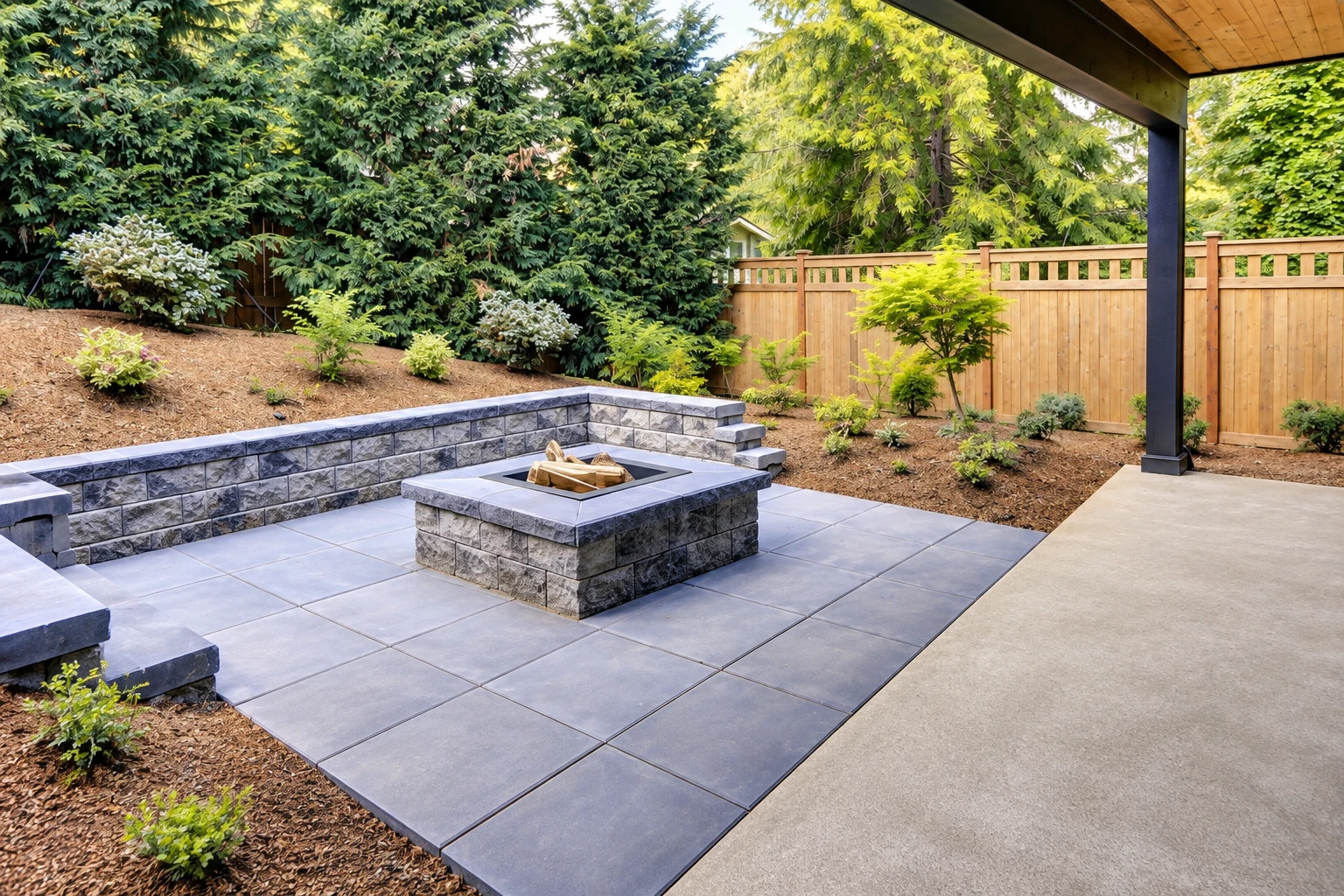
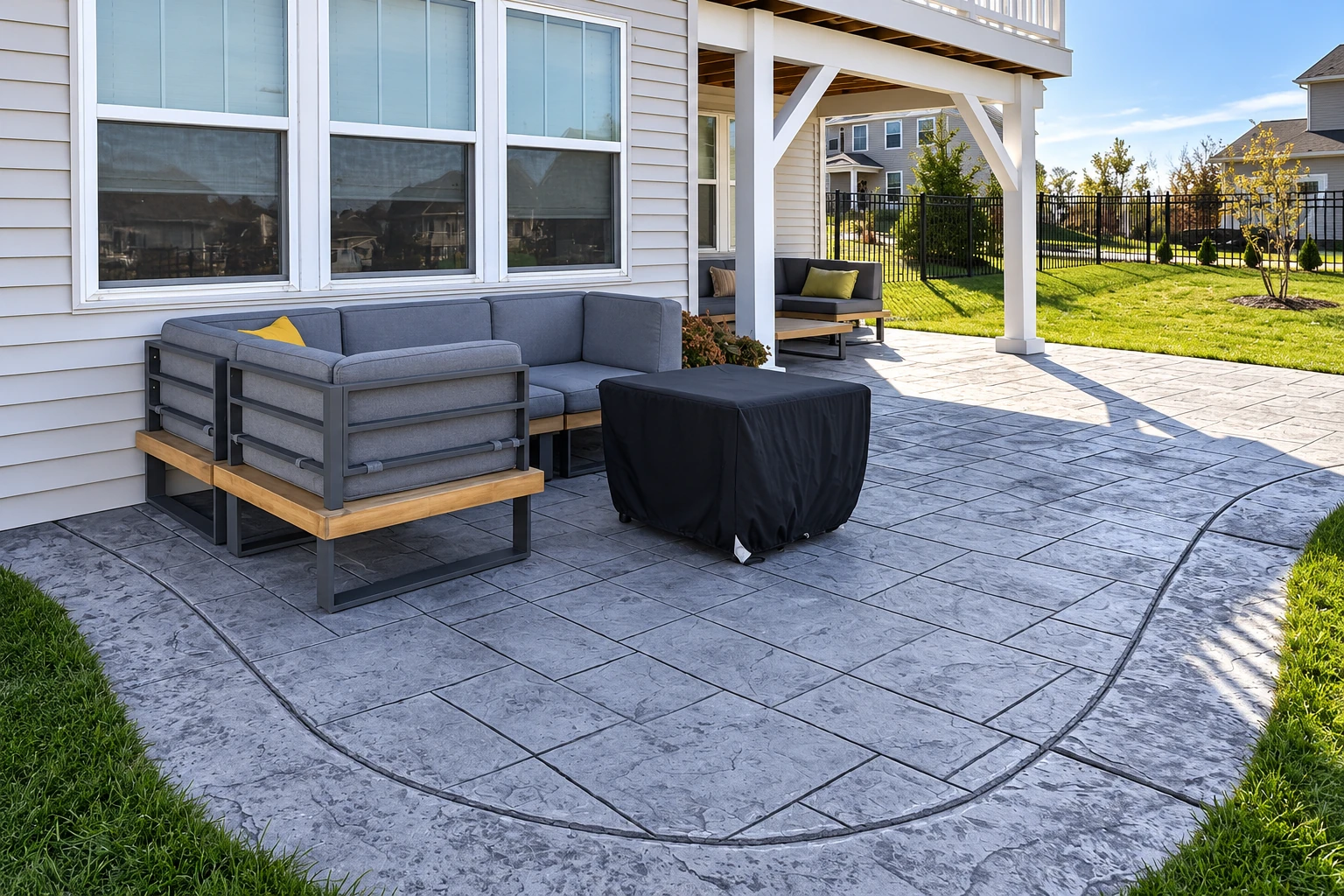
Pleasant Hill as we see it from the driveway
Pleasant Hill is home for us, a city in the middle of Contra Costa County along Interstate 680, with Walnut Creek on one side and Contra Costa Centre right next door. Most of what we pour here goes beside houses people have lived in for decades, on streets of single-family homes with grown-in yards, from the blocks around Diablo Valley College to the quieter courts up the hills.
That shapes the job as much as the ground does. The old slab has to come out without wrecking the lawn or the roses, the truck has to reach the pour without boxing in the neighbors, and the family still needs a way to the front door while the new concrete cures.
Services in Pleasant Hill, CA
Concrete driveway building
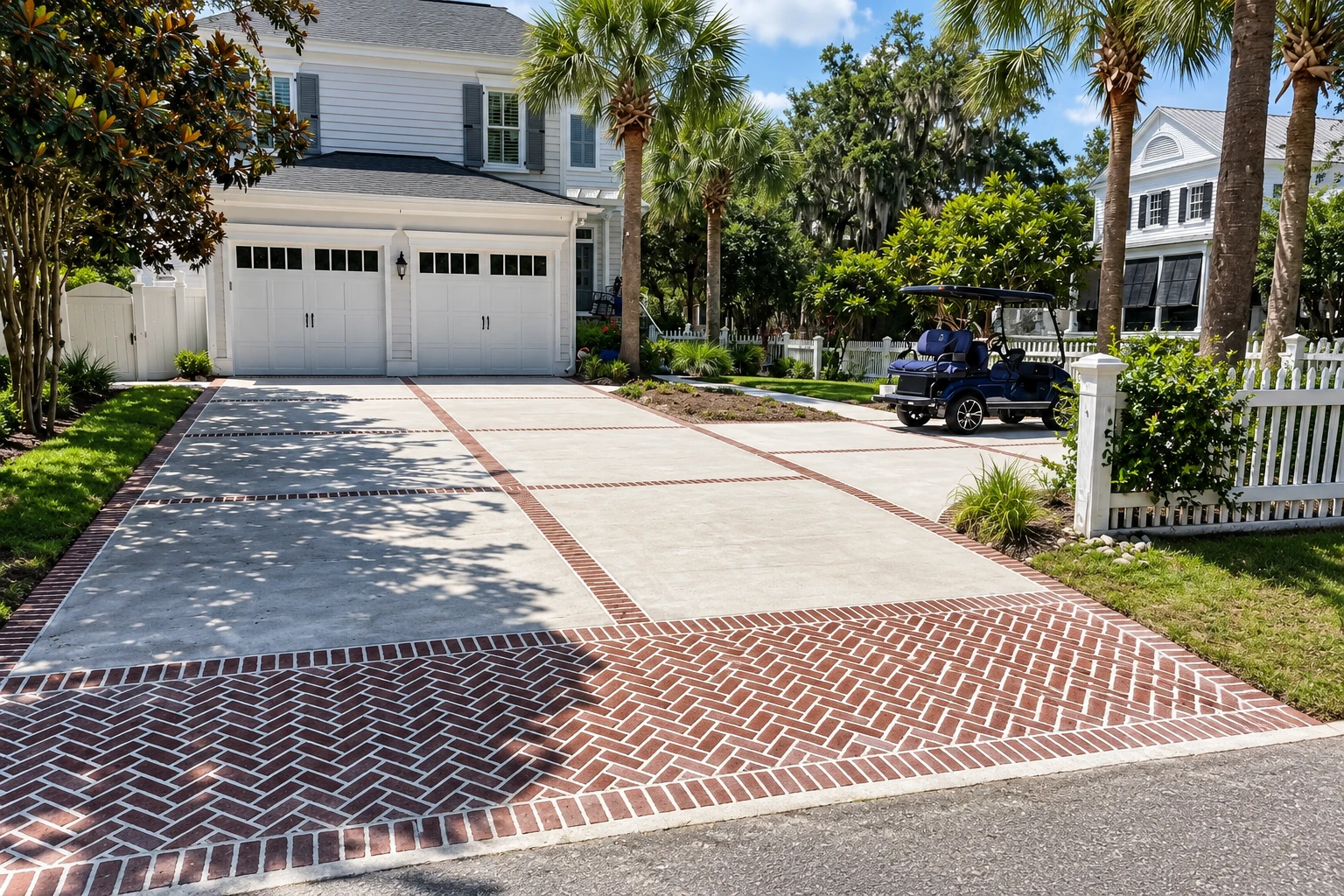
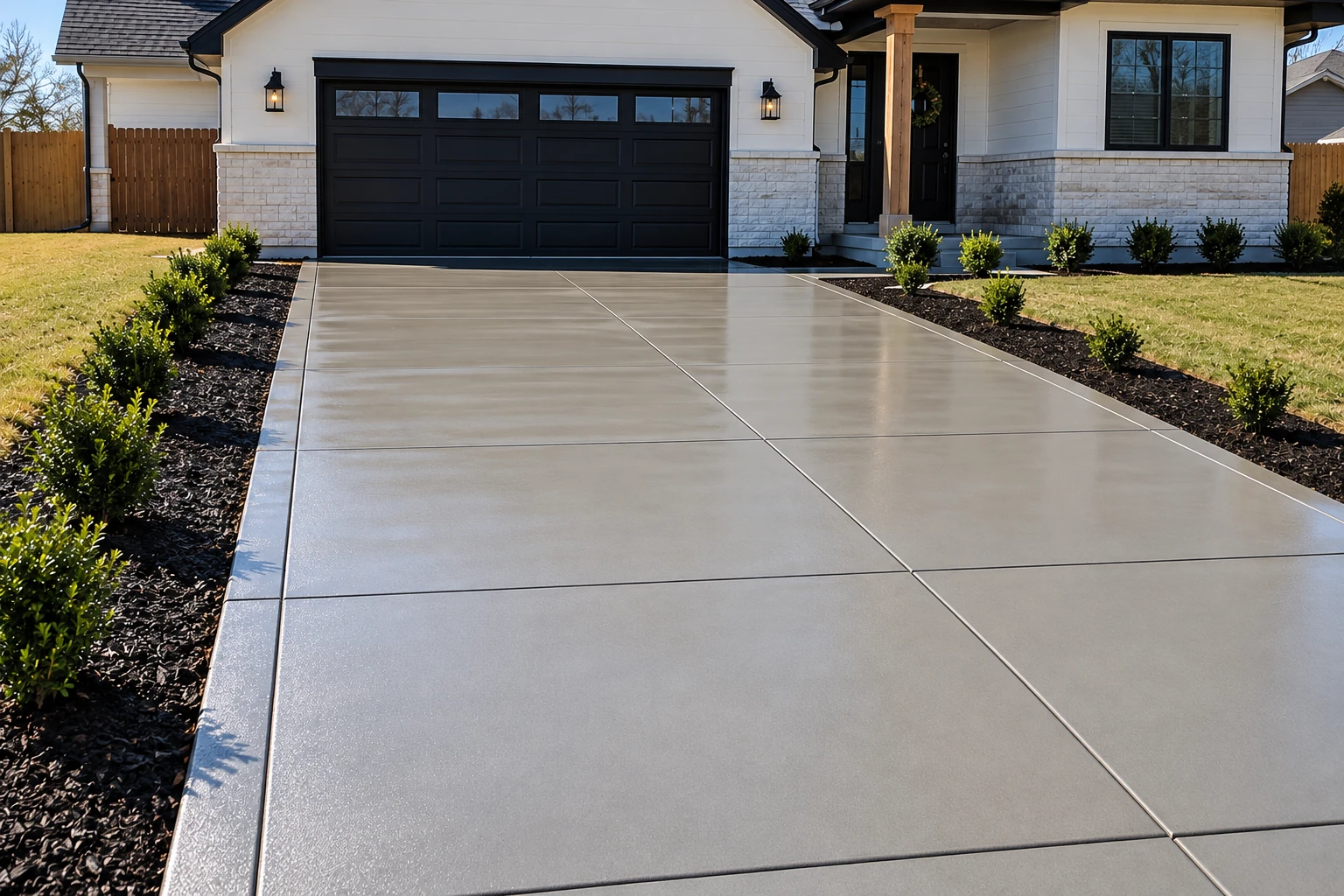
Older driveways here crack and drop where roots and loose fill sit underneath. We tear them out, rebuild the base and pour a new concrete driveway.
Concrete patio construction
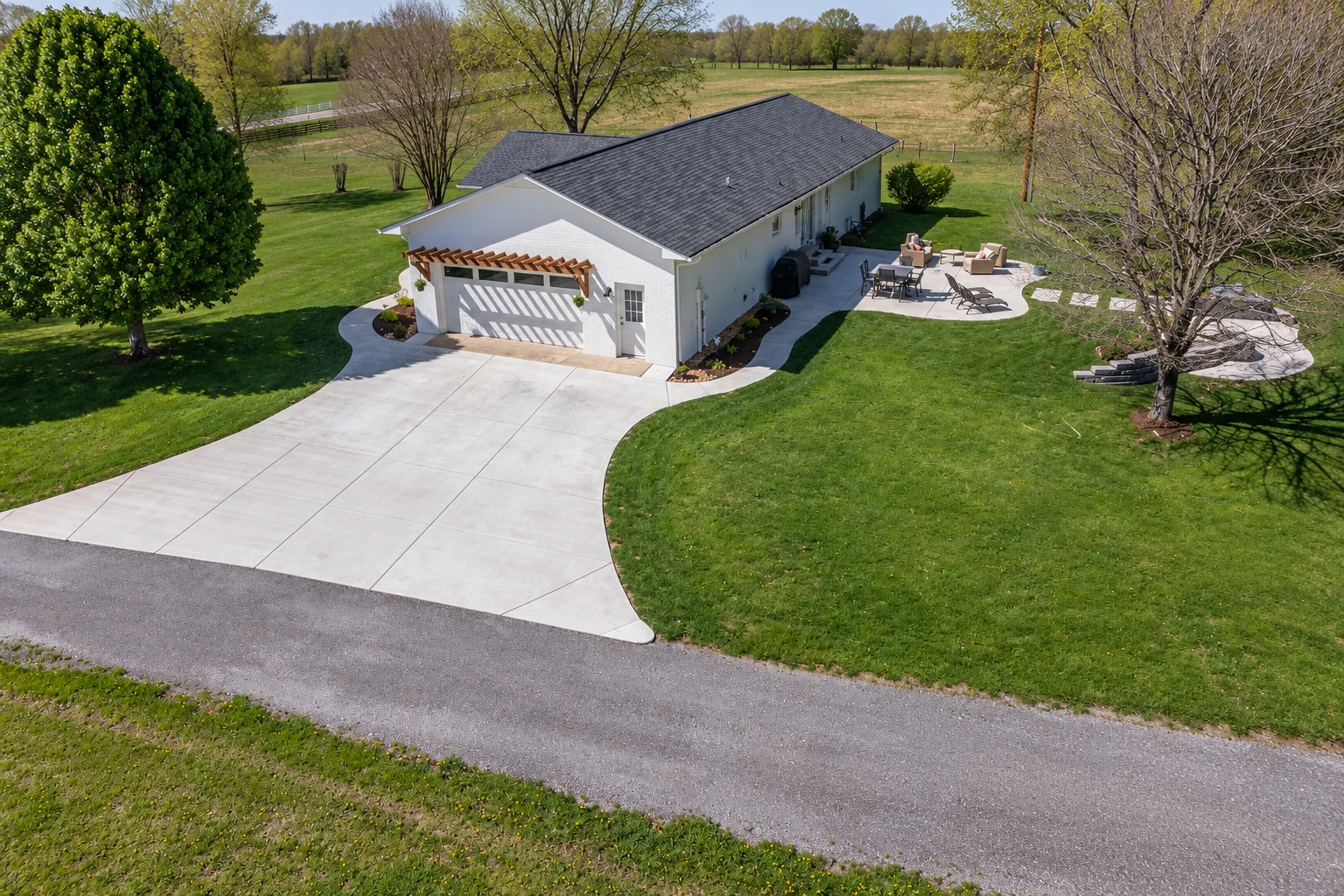
Backyard patios here often tip toward the house and pond after rain. We set the slope away from your walls before the new slab goes in.
Foundation raising
Houses that settled unevenly show it in sticking doors and cracked slabs. We find what moved first, then raise and support the foundation where it dropped.
Concrete retaining walls
Sloped yards here push soil toward patios and fences over the years. We build concrete walls on footings, with drainage behind them so water doesn't push them over.
Concrete steps construction
Front steps on older houses here pull away from the porch and tilt. We break them out and pour new steps set on solid, packed ground.
Concrete cutting
Gardens and windows sit close to old slabs here, so a jackhammer isn't always the answer. We saw-cut the concrete into sections that lift out cleanly.
What we know from working in Pleasant Hill
In Pleasant Hill, permit applications go to the city's Permitting Office, and when your job needs one, the pour date waits on the city, so I sort that out at the estimate instead of on pour day. Before you hire anyone here, check for a state contractor's license and a city business license, which Pleasant Hill requires of every contractor doing work in the city, including ones with an office somewhere else.
Price here turns on how much old concrete comes out, how much base the ground needs, how close the truck can get from the street, and whether you want a plain broom finish, brushed for grip, or something decorative. The schedule turns on the permit if there is one, the weather and the curing wait before the slab can take weight, and your own figure comes from the estimate I write after seeing the job. We work the same way in Concord and Lafayette, where the houses and the questions are a lot like the ones here.
Why slabs crack and sink around Pleasant Hill homes
Clay soil is common across Pleasant Hill, the city itself says, and clay swells when it's wet and shrinks when it dries. A slab poured on dirt that was only raked level moves right along with it, which is how you get the sunken corners and broken panels we tear out here. We dig out the soft ground, bring in base rock and pack it in layers, then add rebar, steel bars that hold the slab together if it does crack, where the job calls for it. The base is the part nobody sees on day one and the first thing a low bid cuts, which is why I won't cut it.
Water is the other problem. Older patios and walks here often fall toward the house, so rain sits against the foundation, and big trees push roots under driveways until a panel lifts. We slope the new slab away from your walls and deal with the roots before we pour, not after.
Get a concrete estimate for your Pleasant Hill home
We reply within one business day to set a time. I come out to your Pleasant Hill property, look at the job, ask how you use the space and write up a free estimate, with no obligation to go ahead.
How a concrete job goes when you call us in Pleasant Hill
Call or send the form
Call (707) 750-8660 or send the form with what's cracked, sinking or missing. Photos help, but I'll still want to see it in person.
I come out and look
I walk the job, check where the water runs and ask how you use the space, cars, kids, grill and all. Then I write up the estimate with the work spelled out.
Sort out permits and timing
If your job needs a permit, we handle the paperwork for our part, point you to the right office for anything else, and set the pour after the city signs off. We plan around your cars, your garden and your neighbors' driveways.
Dig, pack, pour and finish
Our own crew digs out, packs the base, pours and finishes, and I'm usually there on pour day. The city allows construction from 7:30 a.m. to 7:00 p.m. on weekdays and 9:00 a.m. to 6:00 p.m. on weekends, so on hot days we start early and finish the top before the midday heat dries it too fast.
Clean up and let it cure
We haul off the old concrete and leave the yard the way we found it, minus the old slab. Then the new one cures, and you stay off it until I tell you it's ready.
Pleasant Hill concrete questions we hear
When does a concrete job in Pleasant Hill need a permit?
The city says any work that physically changes or adds a structure on your property needs a permit, and ground work that reaches onto city property, like the street, curb or gutter, may also need an encroachment permit through the Engineering Division. Which side of that line your job falls on is something I check at the estimate. If you'd rather ask the city yourself, its FAQ says to call the Building Division at (925) 671-5200.
Is my Pleasant Hill house in a flood zone, and does that change a concrete job?
It might be, since the city counts about 700 homes inside FEMA's mapped flood zones, and improvements there may need a floodplain development permit from the city. For a new slab, that can mean extra review before we pour, and it makes getting the drainage right matter even more. Tell me at the estimate if you know your lot is mapped, and we'll handle the paperwork for our part.
Does my concrete contractor need a state license in California?
Yes for nearly any concrete job, because the state requires a license when the work needs a building permit, uses any workers beyond the contractor, or costs $1,000 or more in labor and materials together. The small-job exemption, for work with no permit and no employees, went up from $500 to $1,000 at the start of 2025, so older advice may quote the lower figure. The Contractors State License Board issues those licenses, and we're licensed and fully insured.
How long does it take before I can drive on a new concrete driveway?
You can walk on a new driveway well before you can park on it, because concrete keeps curing, slowly gaining strength, long after it looks done, and a car weighs a good deal more than you do. I'll give you the wait for your slab at the estimate, since thickness and weather change it, and we plan the pour so your cars have somewhere to go in the meantime.
How much does a new concrete driveway cost in Pleasant Hill?
There's no single price, and your figure comes from the estimate I write after seeing the job, because tear-out, base work, access and finish change from one Pleasant Hill lot to the next. If the budget gets tight, cut the fancy finish before the base, since a stamped surface on a bad base is just a nicer-looking crack.
Will a new concrete driveway in Pleasant Hill crack like the old one?
It may get a hairline crack, because concrete does that, but it shouldn't sink and break up the way the old one did when the base, joints and pour are done right. We cut control joints, shallow grooves that give the slab a place to crack, early enough to do their job, and we pour in the cooler part of the day so the top doesn't end up weak and dusty. The base work covered above is the rest of it.
Get your Pleasant Hill slab looked at
Call (707) 750-8660 or use the form, because seeing the old concrete before it comes out tells me most of what went wrong with it.